Simple 14-Day Anti-Inflammatory Meal Plan with Recipes and Grocery List
If you often feel tired, uncomfortable, bloated, or achy, your daily food choices may be worth a closer look. Inflammation is a normal part of the body’s healing process, but when it becomes ongoing, it can be connected with issues such as low energy, digestive discomfort, and joint stiffness.
This 14-day anti-inflammatory meal plan is designed to make nourishing eating simple and realistic. Instead of strict rules or bland meals, it focuses on colorful whole foods, lean proteins, fiber-rich ingredients, healthy fats, and easy recipes that can fit into a normal week.
The plan includes breakfast, lunch, dinner, and snacks for each day, plus a simple grocery list to help you shop with less stress.
What Is an Anti-Inflammatory Diet?
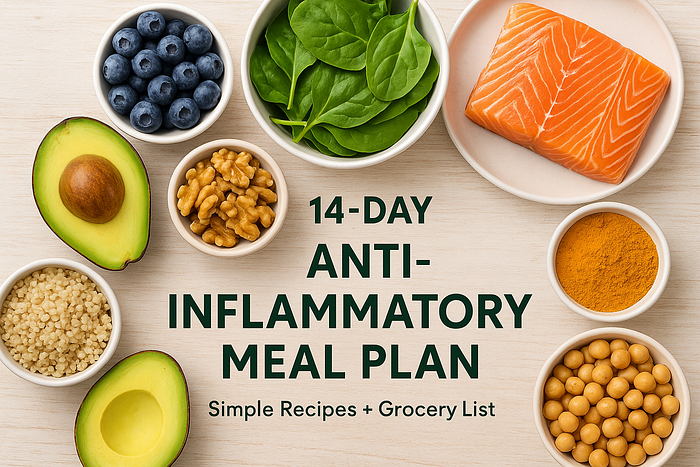
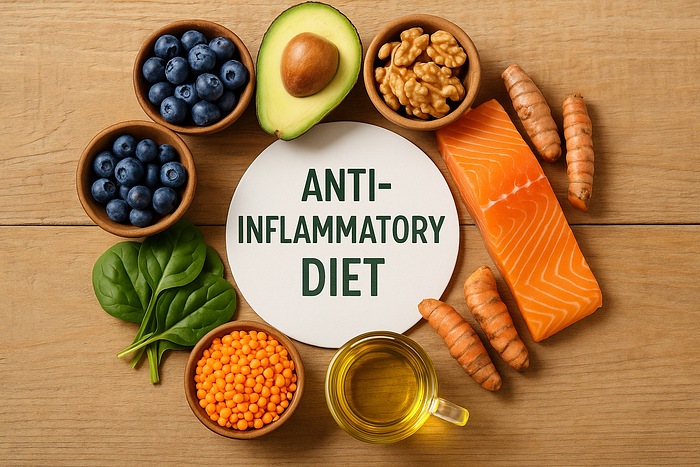
An anti-inflammatory diet is a way of eating that emphasizes foods rich in nutrients, antioxidants, fiber, and healthy fats. The goal is to build meals around ingredients that support overall wellness while limiting foods that may contribute to inflammation when eaten too often.
Helpful anti-inflammatory foods include:
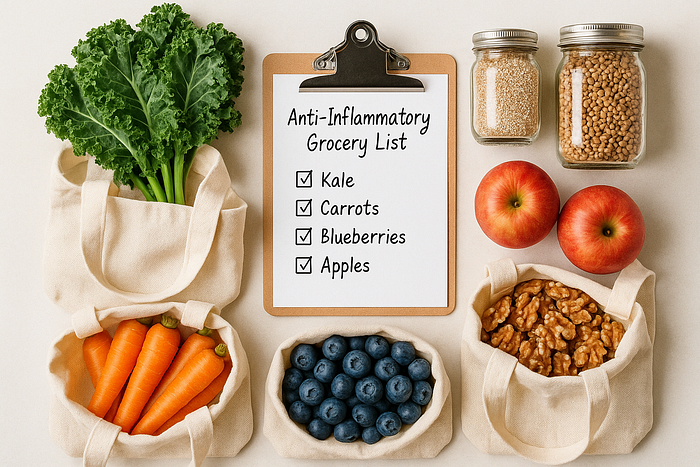
Fruits and vegetables: blueberries, leafy greens, bell peppers, broccoli, carrots, apples, and berries
Nuts and seeds: walnuts, almonds, chia seeds, and flaxseed
Healthy fats: avocado and extra virgin olive oil
Spices and flavor boosters: turmeric, ginger, cinnamon, garlic, and lemon
Foods to limit when possible:
Fried and greasy foods
Highly refined carbohydrates such as white bread, pastries, and sugary cereals
Processed snacks and sugary drinks
Excess added sugar and alcohol
You do not need to eat perfectly to benefit from this approach. A good starting point is to add more whole, colorful foods to your plate and reduce heavily processed options where you can.
How to Use This 14-Day Meal Plan
Each day includes breakfast, lunch, dinner, and one snack.
Many meals can be prepared ahead, especially oats, chia pudding, soups, grains, and roasted vegetables.
You can swap similar ingredients based on your budget, taste, or what you already have at home.
Most recipes use simple grocery-store ingredients and do not require complicated cooking.
Think of this plan as a flexible guide rather than a strict schedule. You can repeat meals you enjoy, switch days around, or use leftovers to make the plan easier.
The 14-Day Anti-Inflammatory Meal Plan
This two-week plan is built around balanced meals with protein, fiber, healthy fats, and plenty of plants. It includes simple breakfasts, filling lunches, easy dinners, and snacks that help keep the day manageable.
You can prepare some ingredients in advance, such as cooked quinoa, roasted vegetables, lentil soup, chia pudding, or overnight oats. This makes it easier to stay consistent during busy days.
Day 1
Breakfast: Blueberry chia pudding made with chia seeds, almond milk, and fresh blueberries. Let it chill overnight for a creamy, fiber-rich breakfast.
Lunch: Quinoa and roasted vegetable bowl with zucchini, carrots, bell peppers, olive oil, and lemon.
Dinner: Baked salmon with garlic, lemon, and steamed broccoli.
Snack: Apple slices with almond butter.
Day 2
Breakfast: Avocado toast on whole-grain bread with a poached egg and a pinch of chili flakes.
Lunch: Lentil and spinach soup with carrots, onion, garlic, and turmeric.
Dinner: Grilled chicken with roasted sweet potatoes and steamed spinach.
Snack: Carrot sticks with hummus.
Day 3
Breakfast: Oatmeal topped with berries and walnuts.
Lunch: Chickpea salad with cucumber, tomato, red onion, olive oil, and lemon juice.
Dinner: Shrimp stir-fry with broccoli, bell peppers, garlic, and brown rice.
Snack: Greek yogurt with ground flaxseed.
Day 4
Breakfast: Green smoothie with spinach, banana, mango, chia seeds, and almond milk.
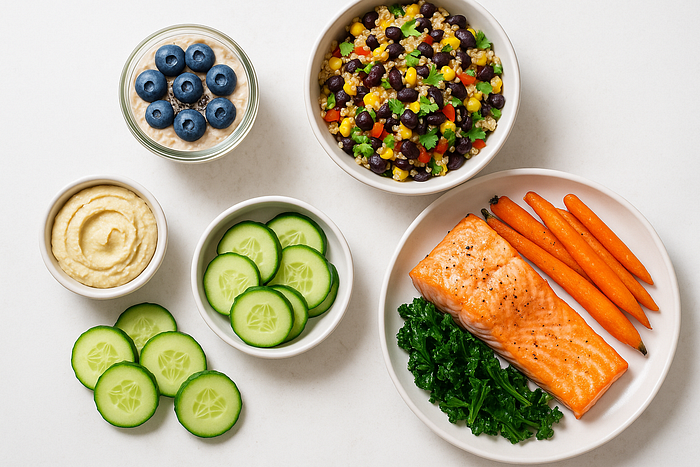
Lunch: Quinoa and black bean salad with corn, diced peppers, cilantro, and lemon.
Dinner: Baked cod with garlic, olive oil, and roasted Brussels sprouts.
Snack: A handful of almonds.
Day 5
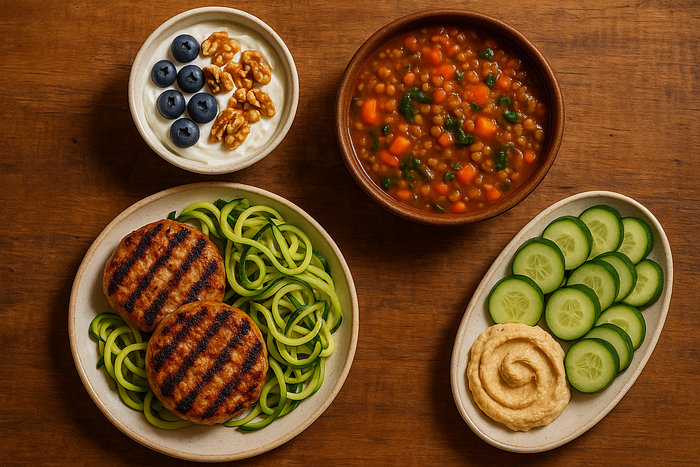
Breakfast: Greek yogurt with blueberries and walnuts.
Lunch: Lentil and vegetable stew with celery, carrots, garlic, and turmeric.
Dinner: Grilled turkey burgers with zucchini noodles and herbs.
Snack: Cucumber slices with hummus.
Day 6
Breakfast: Overnight oats with chia seeds, cinnamon, and almond milk.
Lunch: Whole-grain wrap filled with quinoa, roasted vegetables, and a light tahini drizzle.
Dinner: Baked salmon with sautéed garlic kale.
Snack: Mixed berries.
Day 7
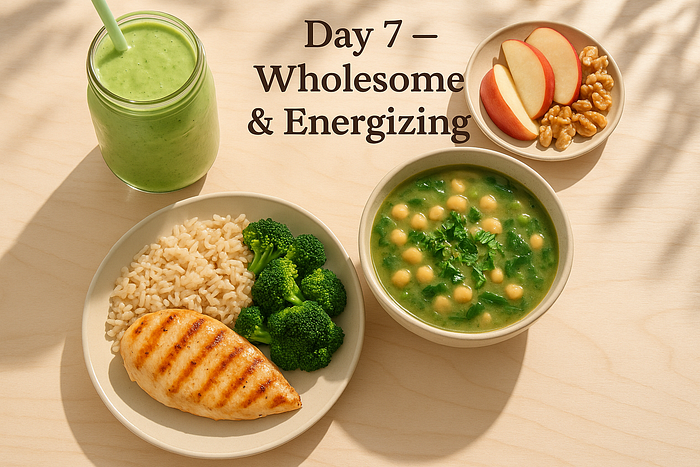
Breakfast: Avocado and spinach smoothie with banana and almond milk.
Lunch: Chickpea and spinach soup with onion, garlic, and a light broth.
Dinner: Grilled chicken with brown rice and broccoli.
Snack: Apple slices with walnuts.
Day 8
Breakfast: Blueberry chia pudding topped with shredded coconut or extra nuts.
Lunch: Lentil salad with spinach, shredded carrots, and olive oil dressing.
Dinner: Shrimp stir-fry with zucchini and colorful peppers.
Snack: Carrot sticks with hummus.
Day 9
Breakfast: Oatmeal with sliced banana, flaxseed, and cinnamon.
Lunch: Quinoa and chickpea bowl with avocado and lemon-tahini sauce.
Dinner: Grilled cod with herbs, lemon, and roasted sweet potatoes.
Snack: Greek yogurt with berries.
Day 10
Breakfast: Green smoothie with kale, pineapple, banana, and chia seeds.
Lunch: Lentil and vegetable soup seasoned with turmeric and ginger.
Dinner: Turkey chili with black beans, tomatoes, and warming spices.
Snack: Almonds and walnuts.
Day 11
Breakfast: Overnight oats with blueberries and chia seeds.
Lunch: Quinoa and black bean salad for an easy meal-prep lunch.
Dinner: Baked salmon with roasted carrots and kale.
Snack: Cucumber slices with hummus.
Day 12
Breakfast: Avocado toast on whole-grain bread with sliced boiled egg.
Lunch: Spinach and chickpea wrap with olive oil, garlic, and a whole-grain tortilla.
Dinner: Shrimp stir-fry with broccoli and brown rice.
Snack: Mixed berries.
Day 13
Breakfast: Greek yogurt with flaxseed and berries.
Lunch: Lentil and spinach soup packed with fiber and plant-based protein.
Dinner: Grilled chicken with zucchini and quinoa.
Snack: Apple slices with almond butter.
Day 14
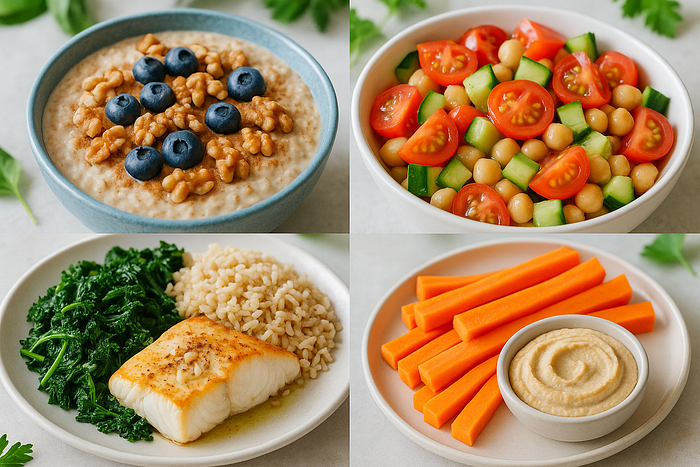
Breakfast: Oatmeal with walnuts and blueberries.
Lunch: Chickpea salad with tomato, cucumber, olive oil, and lemon.
Dinner: Oven-baked cod with garlic kale and brown rice.
Turmeric, ginger, cinnamon, lemon, garlic, tahini, chili flakes
Tips for Making the Plan Easier
Prep ingredients in batches: Cook quinoa, brown rice, lentils, or roasted vegetables ahead of time.
Use leftovers wisely: Dinner leftovers can become the next day’s lunch.
Keep snacks simple: Portion nuts, wash berries, slice vegetables, or keep hummus ready in the fridge.
Stay hydrated: Water and unsweetened tea are simple options to keep on hand throughout the day.
Repeat meals if needed: You do not have to make something new every day. Repeating easy meals can help you stay consistent.
Conclusion
Eating in a more anti-inflammatory way does not have to feel complicated or restrictive. This 14-day meal plan gives you a practical structure built around real foods, simple recipes, and balanced meals.
Use it as a starting point for two weeks, then repeat your favorite meals or mix and match the recipes that work best for your routine. With a little planning, healthy eating can feel easier, more satisfying, and much more realistic.


:max_bytes(150000):strip_icc()/30-Day-Med-Diet-Meal-Plan-Primary-Day22-3x2-1196-c7e17404f7b546f2bec8445ae33db9ef.jpg "30-Day Mediterranean Diet Meal Plan for Balanced, Healthy Eating")




:max_bytes(150000):strip_icc()/EW-Meal-Plans-Cholesterol-Day-03-3x2-e9f07466fc364b7c9c6c6d8dd8941b9e.jpg "7-Day Cholesterol-Lowering Meal Plan for Beginners")