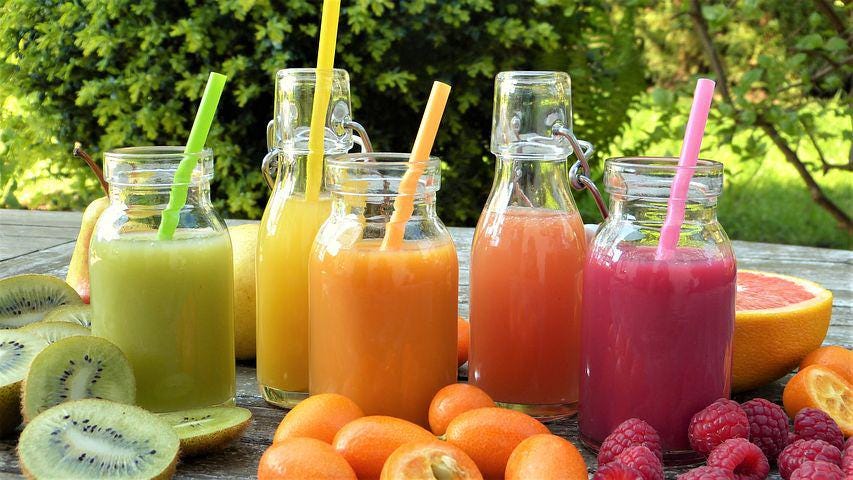
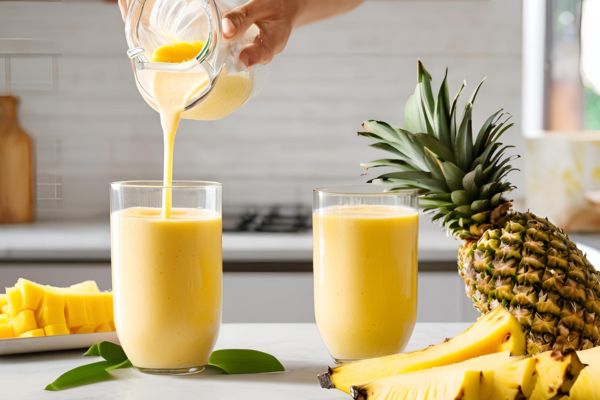
Building a leaner, healthier body is not only about exercise. What you eat every day plays a major role in your energy levels, appetite, digestion, and overall progress. While no single food can magically remove belly fat, a balanced diet built around whole foods can support healthy weight management and make it easier to stay consistent.
The foods below provide a mix of fiber, protein, healthy fats, and slow-digesting carbohydrates. They can help you feel satisfied, reduce cravings, and support a more balanced eating routine. For best results, combine them with regular movement and limit highly processed foods, sugary snacks, and refined carbohydrates.
1. Oats
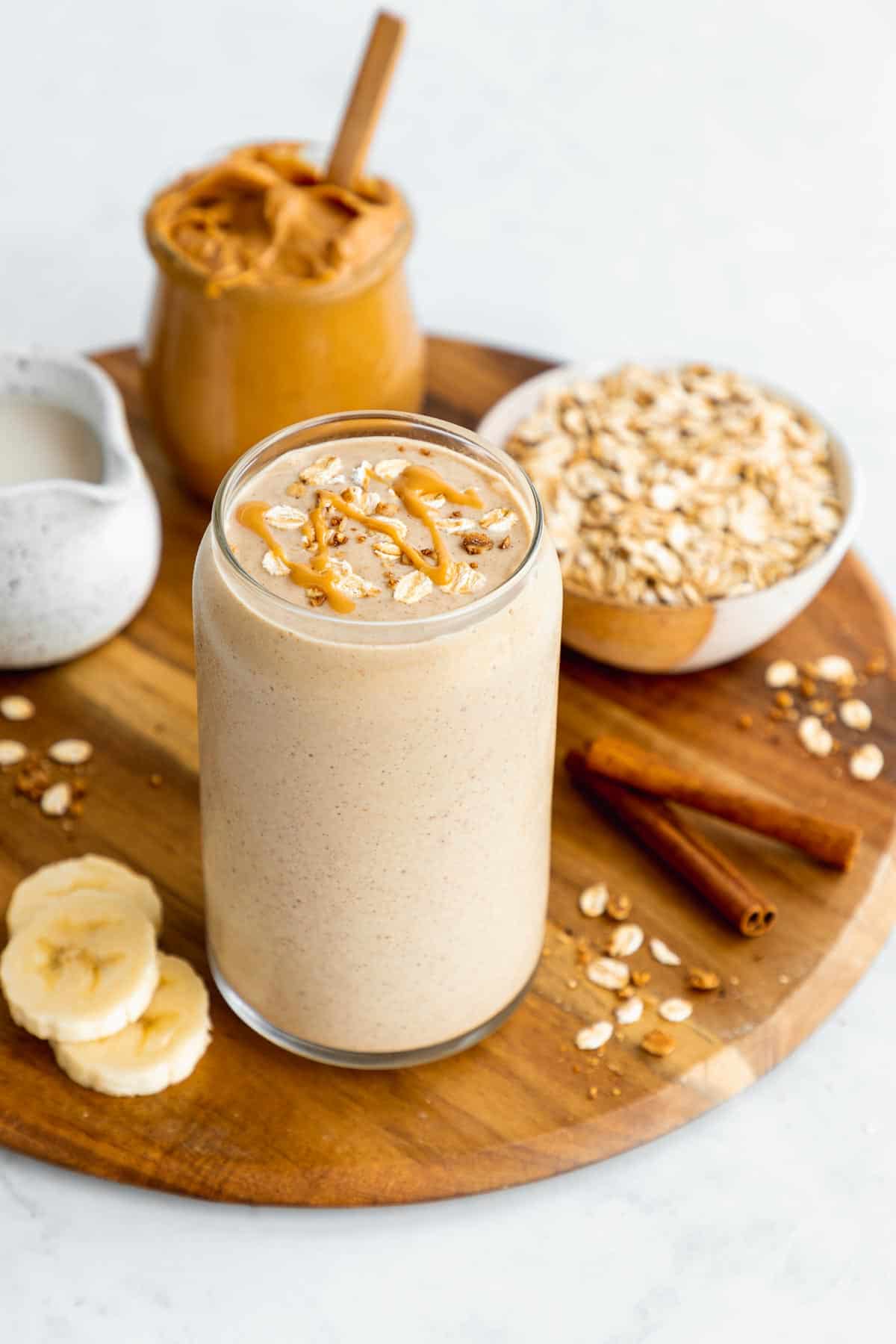
Oats are a smart source of complex carbohydrates and fiber. Rolled oats and steel-cut oats are better choices than heavily processed instant oats because they digest more slowly and can help keep you full for longer.
Whole grains and fiber-rich foods are often linked with better heart health, healthier cholesterol levels, and steadier energy throughout the day. A bowl of oats in the morning can be a simple way to start your day with lasting fuel.
For a healthier version, avoid adding sugar. Instead, try oats with fresh fruit, cinnamon, chia seeds, nuts, or a scoop of protein powder. You can also prepare overnight oats with unsweetened almond, cashew, or coconut milk.
2. Whole Eggs
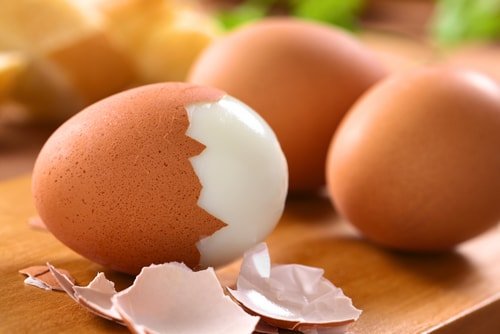
Eggs are a nutrient-dense source of protein and can be part of a healthy diet. In the past, many people avoided egg yolks because of concerns about cholesterol, but current nutrition guidance is more balanced. For most people, eggs can fit into a healthy eating pattern when eaten in moderation.
Whole eggs provide protein, healthy fats, and important nutrients, including biotin. Protein-rich foods like eggs may also help you feel fuller after meals, which can make it easier to manage snacking and portion sizes.
Try eggs with vegetables, avocado, or a small amount of healthy cooking fat for a satisfying breakfast. When possible, choose high-quality eggs that fit your budget and diet preferences.
3. Cayenne Peppers
Cayenne peppers contain capsaicin, the natural compound that gives them their heat. Capsaicin may slightly increase body heat production and can make spicy foods feel more satisfying.
Spicy foods may also help some people control appetite, though the effect varies from person to person. Cayenne is not a magic fat burner, but it can be a useful flavor booster if you enjoy spicy meals.
Add a small amount to soups, eggs, roasted vegetables, chicken, or grain bowls for extra heat without relying on heavy sauces.
4. Avocados
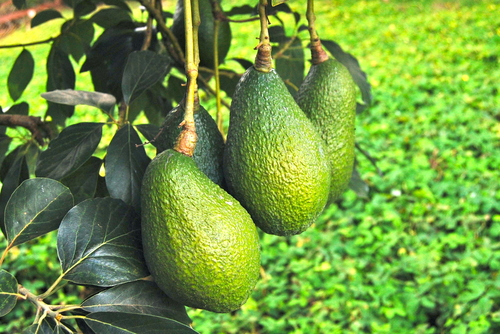
Avocados are often avoided by people trying to lose weight because they are high in fat. However, the fats in avocados are mostly healthy fats, and they can be part of a balanced diet when portions are reasonable.
Avocados also contain fiber and folate, which can help make meals more filling. Because they are rich and satisfying, they may help reduce the urge to overeat later.
Add avocado to salads, eggs, toast, wraps, or grain bowls. A small serving can make a simple meal feel more complete.
5. Almonds
Almonds are another good source of healthy fats, along with fiber, minerals, and plant-based protein. They make a better snack choice than crackers, chips, or other refined carbohydrates.
Because almonds are calorie-dense, portion size matters. A small handful can be enough to help you feel satisfied between meals.
Choose whole, unsalted almonds when possible. They can also be added to oatmeal, yogurt, salads, or homemade snack mixes.
6. Lemons
Lemon juice is often used in wellness routines because it adds flavor without sugar or many calories. While lemon water does not directly burn fat, it can help you drink more water and support a healthy daily routine.
Good hydration supports digestion, energy, and overall health. If plain water feels boring, lemon can make it easier to drink enough throughout the day.
Try warm water with fresh lemon in the morning, or add lemon juice to salads, fish, chicken, or vegetables for a bright, fresh taste.
7. Lean Meats
Lean protein sources such as chicken, lean beef, turkey, and salmon can help build balanced meals. Protein is especially useful because it supports muscle maintenance and helps you feel full.
Salmon is a strong option because it contains omega-3 fats in addition to protein. Organic chicken, grass-fed beef, and wild salmon may be preferred options when available, but the most important thing is choosing lean, minimally processed protein sources you can eat consistently.
Pair lean meats with vegetables, leafy greens, beans, quinoa, or other whole grains for a balanced lunch or dinner.
8. Dark Leafy Greens
Dark leafy greens are low in calories and rich in nutrients. Spinach, kale, Swiss chard, collard greens, arugula, and similar greens can add volume, fiber, vitamins, and minerals to meals.
They are also versatile. You can eat them raw in salads, blend them into smoothies, sauté them with garlic, add them to soups, or use them as a base for bowls.
Including more leafy greens is one of the simplest ways to make meals more filling without relying on heavy ingredients.
9. Quinoa
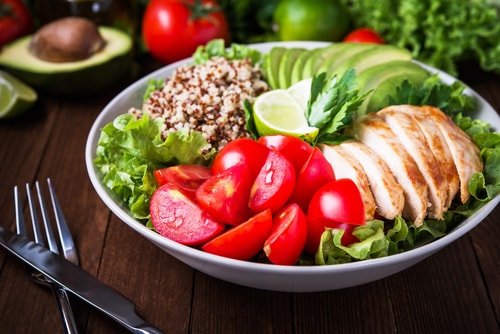
Quinoa is often used like a grain, although it is technically a seed. It contains all nine essential amino acids, which makes it a complete protein source.
It also provides fiber, antioxidants, and slow-digesting carbohydrates. Quinoa is naturally gluten-free and can be a useful alternative to white rice, pasta, or bread in many meals.
Use quinoa in salads, bowls, soups, or breakfast recipes. It also works well mixed with oats for a more filling morning meal.
10. Apples
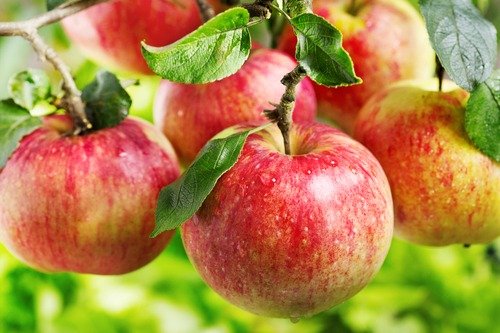
Apples are a simple, convenient fruit that provide fiber, vitamins, minerals, antioxidants, and pectin. Pectin is a type of fiber that may help you feel fuller after eating.
Because apples are naturally sweet and satisfying, they can be a helpful snack when you want something light but filling. They also provide quick energy without the heaviness of many processed snacks.
Eat apples on their own, slice them into oatmeal, add them to salads, or cook them with onions as a naturally sweet side dish.
Final Thoughts
The best diet for healthy fat loss is not built around one miracle food. It comes from consistent meals made with whole, nutrient-rich ingredients. Oats, eggs, peppers, avocados, almonds, lemons, lean proteins, leafy greens, quinoa, and apples can all support a healthier eating pattern.
Focus on simple meals, enough protein, plenty of fiber, healthy fats, and fewer processed foods. Over time, these habits can support better energy, improved appetite control, and a more sustainable approach to weight management.


:max_bytes(150000):strip_icc()/30-Day-Med-Diet-Meal-Plan-Primary-Day22-3x2-1196-c7e17404f7b546f2bec8445ae33db9ef.jpg "30-Day Mediterranean Diet Meal Plan for Balanced, Healthy Eating")



:max_bytes(150000):strip_icc()/EW-Meal-Plans-Cholesterol-Day-03-3x2-e9f07466fc364b7c9c6c6d8dd8941b9e.jpg "7-Day Cholesterol-Lowering Meal Plan for Beginners")