The Secret Daimler-Benz Fighter That Never Took to the Skies
During World War II, German engineers were constantly searching for ways to create faster and more powerful combat aircraft.
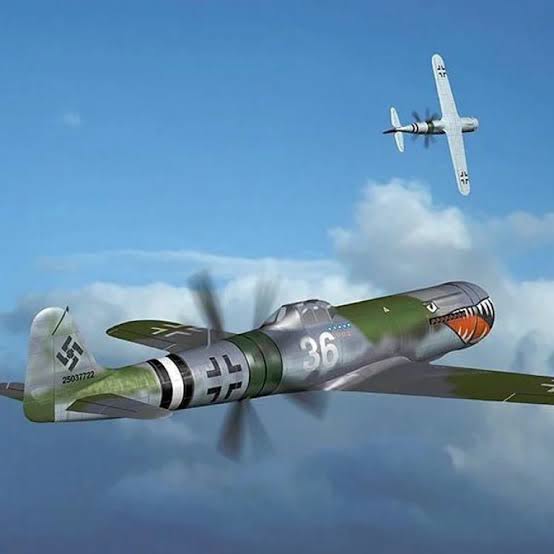
One of the most unusual concepts was an experimental fighter developed by Daimler-Benz. Its design differed significantly from conventional aircraft of the time and was intended to use an unconventional propulsion system.
The engineers tried to combine high speed, powerful armament, and good aerodynamics. On paper, the project looked promising, but it never progressed much beyond drawings and calculations.
Germany’s wartime industry was already heavily burdened with producing existing aircraft models, while developing a completely new type of fighter required considerable time, resources, and extensive testing.
Projects like this are especially interesting today because they show just how bold aviation concepts could be in the 1940s. Many ideas that seemed too complicated or risky at the time began to appear decades later in more advanced aircraft.
The story of this fighter is a reminder that not every promising aircraft reaches mass production. Sometimes an unusual design remains only on paper, yet still earns its place in aviation history.