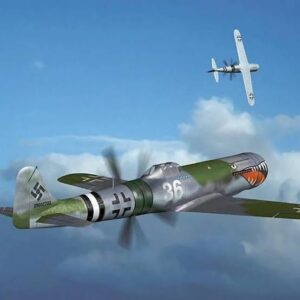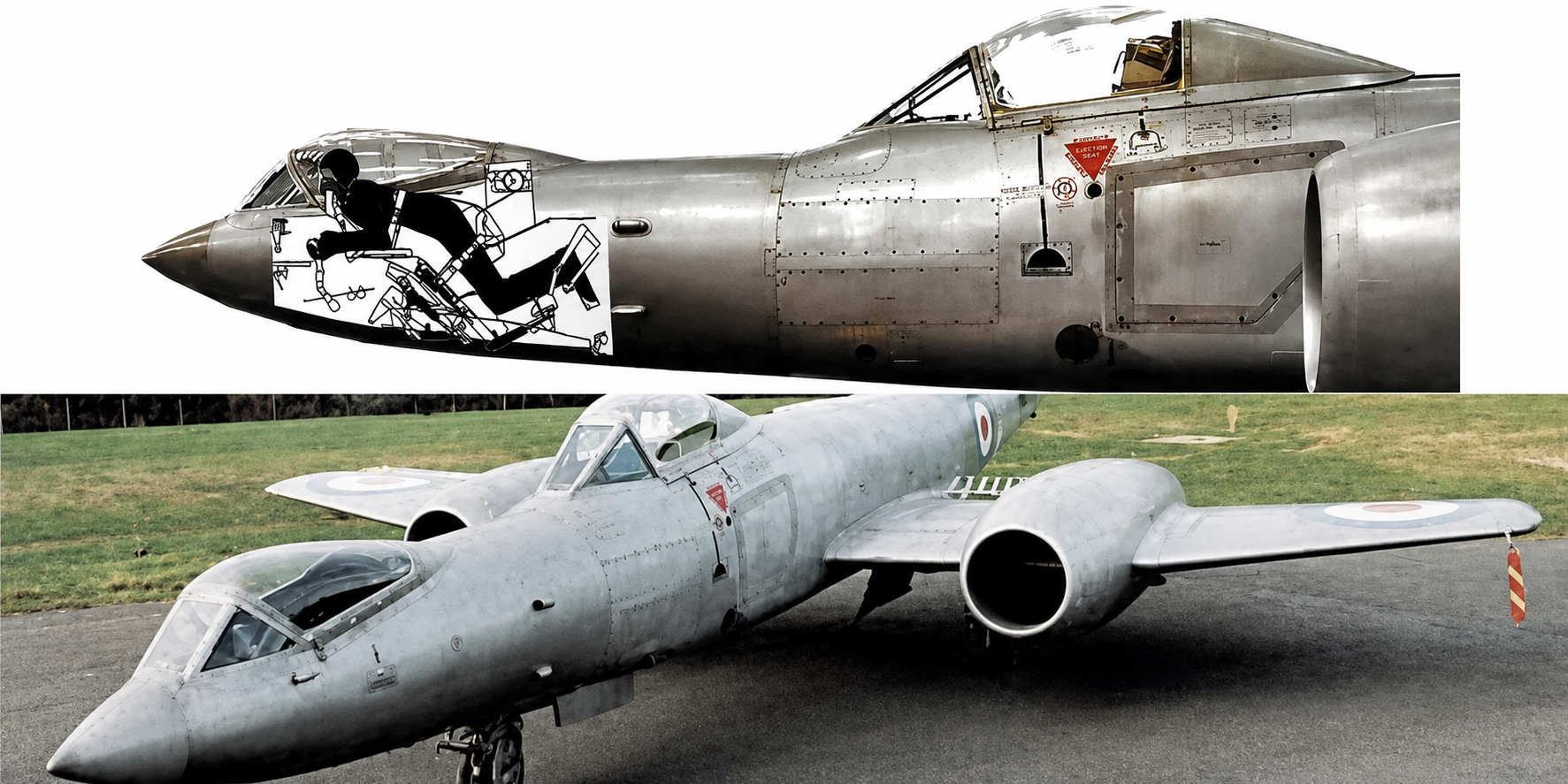
Throughout aviation history, there have been many experimental aircraft, but some designs still look unusual even decades later. One such experiment involved aircraft in which the pilot was positioned almost completely lying down.
The main reason for these tests was quite serious. During sharp maneuvers and pull-outs from steep dives, a pilot’s body is subjected to enormous G-forces. When a person sits upright, acceleration causes blood to drain away from the head, which can lead to temporary loss of vision or even consciousness.
Engineers believed that placing the pilot in a nearly horizontal position could change the way G-forces affected the body. This led to experimental aircraft with unusual cockpits in which the pilot either lay down or sat in a heavily reclined position.
This arrangement could indeed help pilots withstand higher G-forces, but other problems quickly became apparent. It was more difficult for the pilot to see forward, maintain spatial awareness, operate the instruments, and escape from the aircraft in an emergency.
As a result, the idea never became widely used. The development of anti-G suits, improved seats, and more advanced control systems made such unusual cockpit layouts largely unnecessary.
Nevertheless, these aircraft remain an excellent example of how far engineers were willing to go to solve a single specific technical problem.