This easy cottage cheese flatbread is a practical recipe for days when you want something warm, filling, and flexible without spending much time in the kitchen. Made with a short list of everyday ingredients, the dough cooks into soft, lightly golden flatbreads that can be served with meals or used as a base for wraps and quick snacks.
Cottage cheese gives these flatbreads a tender texture while also adding protein. Once cooked in a skillet, they develop toasted spots on the outside while staying soft enough to fold, stack, or fill.
Why This Cottage Cheese Flatbread Works So Well
This recipe is useful because it can fit into many different meals. Serve the flatbread beside soup or curry, spread it with hummus, turn it into a sandwich wrap, or use it as a simple personal pizza base.
The dough does not need complicated preparation or a long rise. After a brief rest, it is divided, shaped, and cooked directly in a skillet until warm and golden.
Ingredient Notes and Simple Substitutions
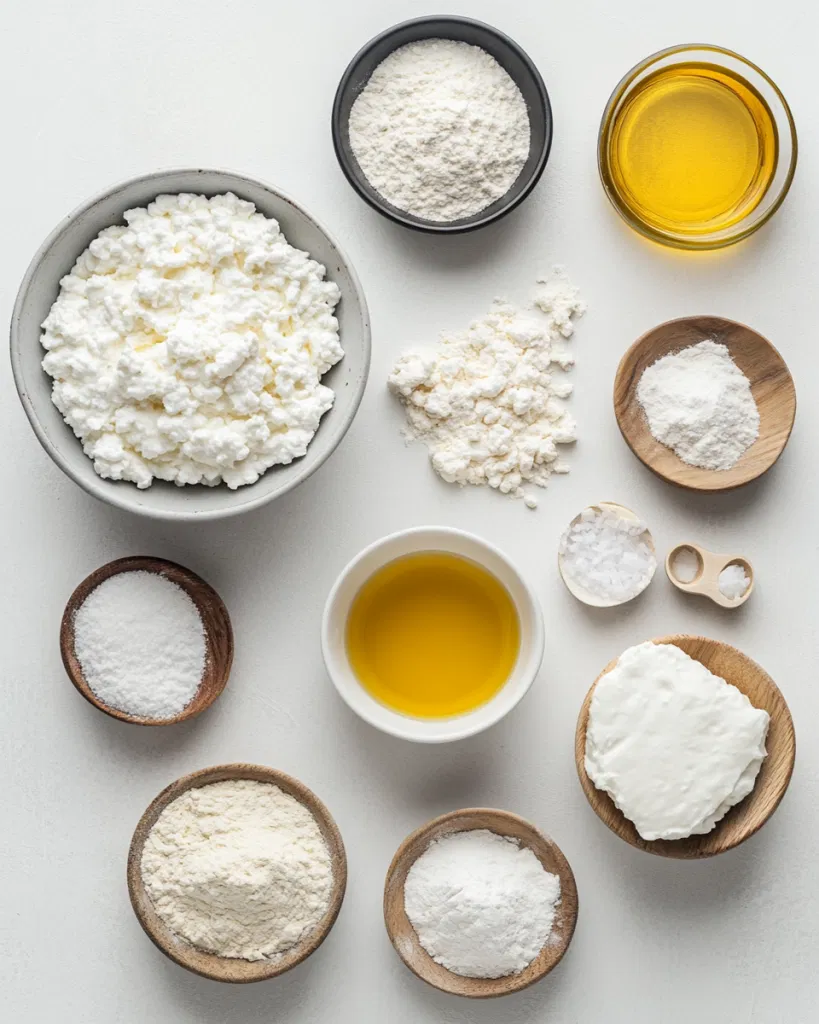
Cottage cheese: This is the ingredient that helps keep the flatbread soft and moist. A creamy cottage cheese works especially well. For a smoother dough, lightly mash or blend it before mixing.
All-purpose flour: Flour gives the dough enough structure to shape and cook. Since cottage cheese can vary in moisture, a little extra flour may be needed if the dough feels very sticky.
Egg: One egg helps bind the dough and contributes to a softer finished texture.
Olive oil: A small amount of oil helps the flatbreads brown in the skillet and develop a lightly crisp surface.
Gluten-free option: A gluten-free flour blend designed for baking or flatbreads may be used as a substitute.
Flavor variations: Garlic powder, dried herbs, chili flakes, parsley, thyme, rosemary, or oregano can be mixed into the dough.
Alternative dairy option: Ricotta can replace the cottage cheese, although the result may be slightly softer.
1 cup all-purpose flour, plus more if needed for shaping
1 large egg
1 teaspoon baking powder
1/2 teaspoon salt
2 tablespoons olive oil
Instructions
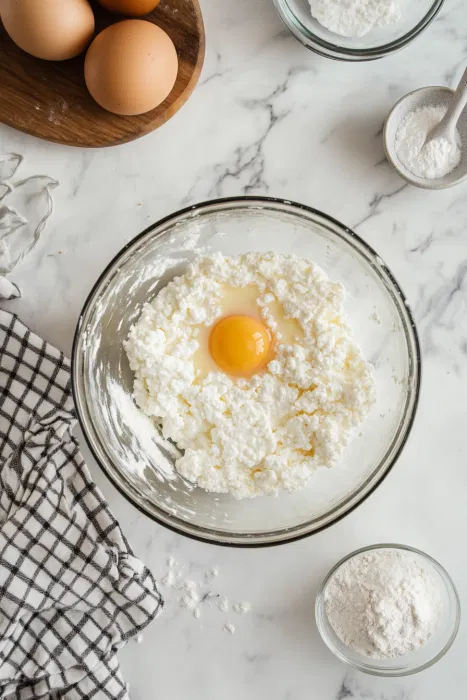
1. Mix the Dough
Place the cottage cheese, flour, egg, baking powder, and salt in a mixing bowl. Stir until the ingredients begin to form a soft dough.
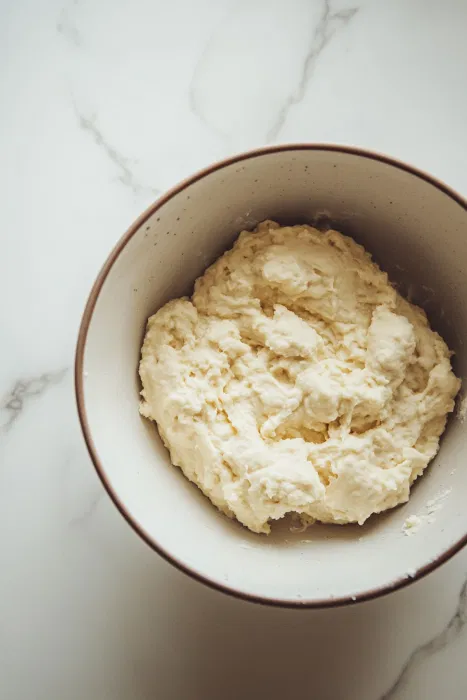
2. Bring the Mixture Together
Continue mixing gently until the dough is combined. It should feel soft and slightly sticky rather than dry or firm. Avoid overworking it, since too much mixing can make the flatbread tougher.
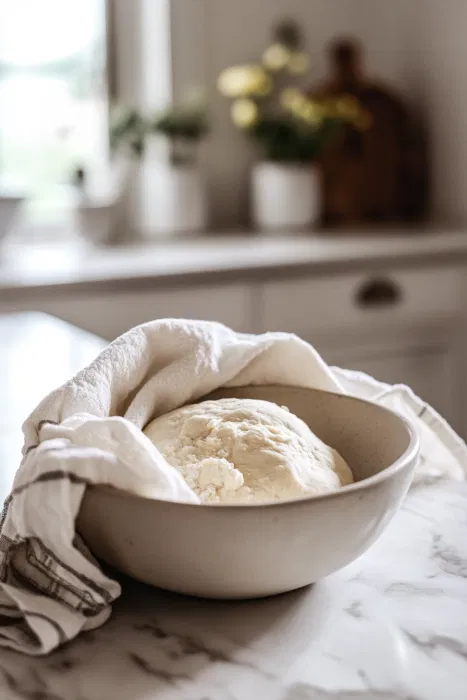
3. Rest the Dough
Cover the bowl and allow the dough to sit for 5 to 10 minutes. This short resting time helps the texture relax and makes the dough easier to handle.
4. Divide Into Portions
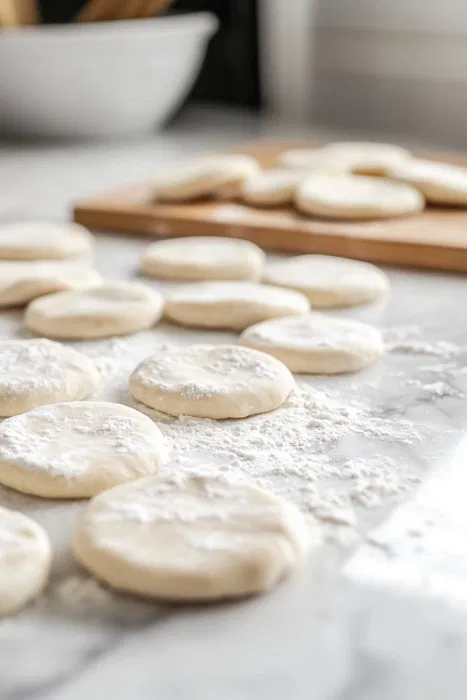
Separate the dough into small portions, aiming for pieces that are similar in size. Even portions help each flatbread cook at roughly the same speed.
5. Shape the Flatbreads
Lightly flour your work surface if needed, then flatten each portion into a rough circle. A rolling pin can be used, but shaping the dough gently with your hands also works well.
6. Warm the Skillet
Set a skillet over medium heat and lightly brush or drizzle it with olive oil. Let the pan heat before adding the dough so the surface begins browning as soon as it touches the skillet.
7. Cook Until Golden
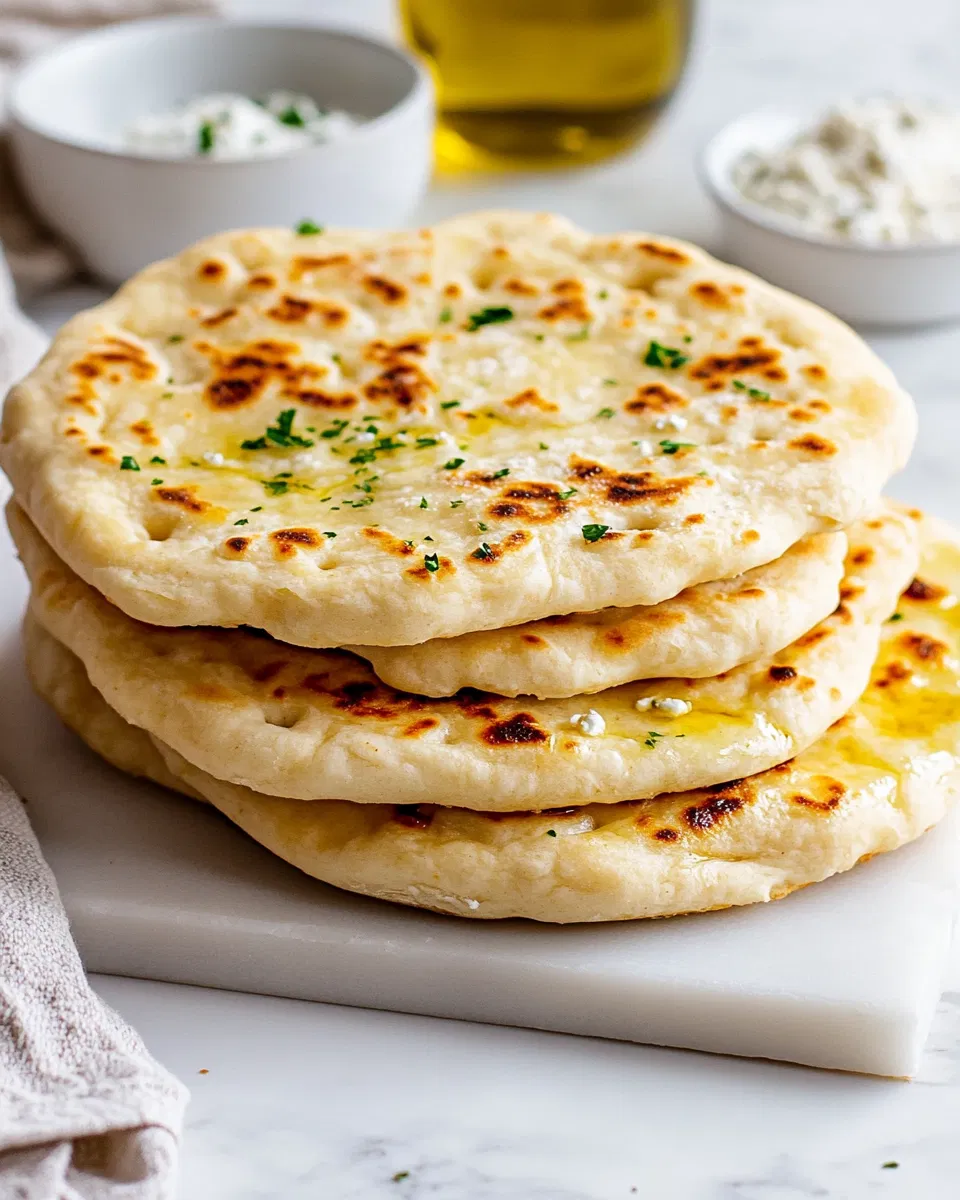
Cook one flatbread at a time for about 2 to 3 minutes on each side. It is ready when the surface develops golden toasted patches and the bread puffs slightly.
8. Keep the Flatbreads Soft
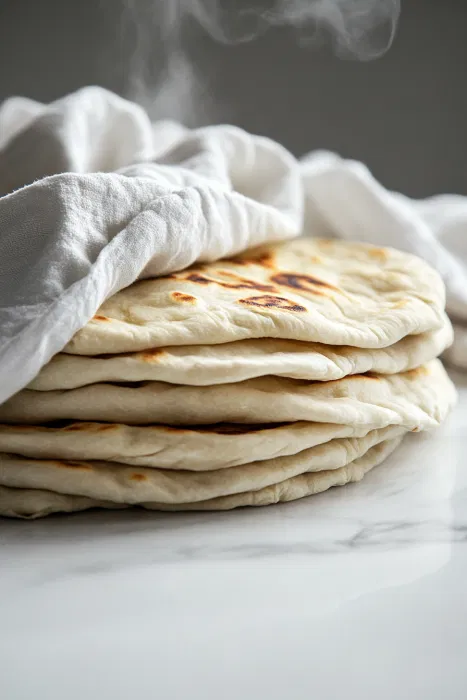
As each flatbread finishes cooking, place it in a stack under a clean kitchen towel. The trapped warmth helps keep the bread soft and flexible while the remaining portions cook.
9. Serve Warm
Enjoy the flatbreads while they are still warm. They are especially good with hummus, creamy dips, soft cheese, soup, or curry, and they also work well as wraps or quick sandwich breads.
Helpful Cooking Tip
Watch the surface closely as the flatbread cooks. Light browning, a gently crisp exterior, and a toasted aroma are good signs that it is ready to turn or remove from the pan. When the outside is coloring too quickly but the center is still undercooked, lower the heat and cook a little longer.
Nutrition Information
Per flatbread: approximately 130 calories, 10 g carbohydrates, 8 g protein, 5 g fat, 1 g fiber, 1 g sugar, and 210 mg sodium.
Common Problems and Easy Fixes
The dough is too sticky: Mix in a small amount of flour, adding only a little at a time until the dough becomes manageable.
The dough feels too dry: Add a spoonful of cottage cheese or a very small splash of water to restore softness.
The middle is not cooking through: Turn the heat down and give each side more time in the pan.
The flatbread is tough: Mix the dough only until combined and avoid excessive kneading.
The surface is pale: Increase the skillet heat slightly so the bread develops golden toasted spots.
Make-Ahead and Storage Tips
The dough can be prepared several hours before cooking and refrigerated in a covered container.
Cooked flatbreads can be stored in an airtight container in the refrigerator for up to 2 days.
For the best texture, warm leftovers briefly in a skillet rather than relying on a microwave.
After reheating, keep the flatbreads covered with a towel so they remain soft.
To freeze, place parchment paper between individual flatbreads before storing them in a freezer-safe container.
Ways to Customize and Serve Cottage Cheese Flatbread
This mild, soft flatbread is easy to adjust depending on the meal you are making. A few small additions can change it from a simple side dish into a flavorful snack or lunch base.
Add garlic powder for a savory version.
Mix in chili flakes for gentle heat.
Stir chopped parsley, oregano, thyme, or rosemary into the dough.
Replace part or all of the white flour with whole wheat flour for a heartier texture.
Add shredded cheese for a richer flatbread.
Brush the cooked bread with melted butter or garlic butter for extra softness and flavor.
Serve it with hummus, yogurt dip, soup, curry, or a fresh salad.
Use it as a wrap, sandwich bread, or base for small flatbread pizzas.
Frequently Asked Questions
Can I make the flatbreads without a rolling pin?
Yes. Simply press each portion of dough into a rough circle using your hands.
Can I bake them instead of cooking them in a skillet?
They can be baked, but pan-cooking gives them the best combination of softness and toasted flavor.
Can cottage cheese be replaced with ricotta?
Yes. Ricotta is a suitable alternative, though the flatbreads may be a little softer.
Why is the dough sticky?
The moisture level of cottage cheese varies from brand to brand. Add a small amount of flour until the dough is easier to shape.
Can herbs be added to the dough?
Yes. Fresh or dried herbs such as parsley, oregano, thyme, or rosemary are excellent additions.
Are these flatbreads better served warm or cold?
They are best served warm, when the texture is at its softest and most flexible.
Conclusion
Cottage cheese flatbread is an easy skillet recipe that turns a few basic ingredients into soft, versatile bread in less than half an hour. Whether you serve it alongside a meal, fill it as a wrap, or enjoy it warm with a dip, it is a simple recipe worth keeping on hand for quick lunches and uncomplicated dinners.













:max_bytes(150000):strip_icc()/30-Day-Med-Diet-Meal-Plan-Primary-Day22-3x2-1196-c7e17404f7b546f2bec8445ae33db9ef.jpg "30-Day Mediterranean Diet Meal Plan for Balanced, Healthy Eating")